
What a Type 2 surge protective device does
A Type 2 SPD mounts at or inside the panel and connects to a two-pole breaker. When voltage on the service spikes above a set level, the device shunts the excess to ground in microseconds. It handles the big events, like a nearby lightning strike coupling onto the APS lines, and the small ones, like a motor starting or a utility switching operation, which happen many times a day and slowly wear electronics out. Indicator lights show it is still working. Units are rated for a set amount of surge energy over their life, so we install one with capacity to spare.
Monsoon lightning and Prescott homes
Arizona averages about 6 million lightning strikes a year, most of them in the three monsoon months. At 5,300 feet, Prescott sits where those afternoon storms build. A strike does not have to hit your house to hurt it. A hit on a pole, a line, or the ground a few hundred yards away induces a surge that ends up at your meter. Older homes with overhead services are the most exposed. Newer homes are full of the electronics that surges kill: variable-speed heat pumps, induction ranges, EV chargers, and networked everything.
What it protects and what it does not
A panel SPD protects everything downstream of it from surges that arrive on the service conductors. It does not protect against a direct strike on the house itself, which is a lightning rod problem, and it does not clean up surges that start inside the house at the far end of a long branch circuit. That is why we pair it with point-of-use strips at the television, the computer, and the network gear. The panel device knocks a surge down to a level the strips can handle, and the strips finish the job.
After a big hit, and what drives the cost
Surge devices are sacrificial. After a close strike, the indicator lights may show the device has spent its capacity, and it needs replacing even though the house seems fine. Check the lights after any storm that knocked the power out. On cost, the main factors are the panel itself, whether a two-pole space is free or we need to make one, the device rating you choose, and whether we install it during another job like a panel upgrade, where it adds very little labor. A standalone visit to an older panel with no open spaces is the other end.
When we would talk you out of it
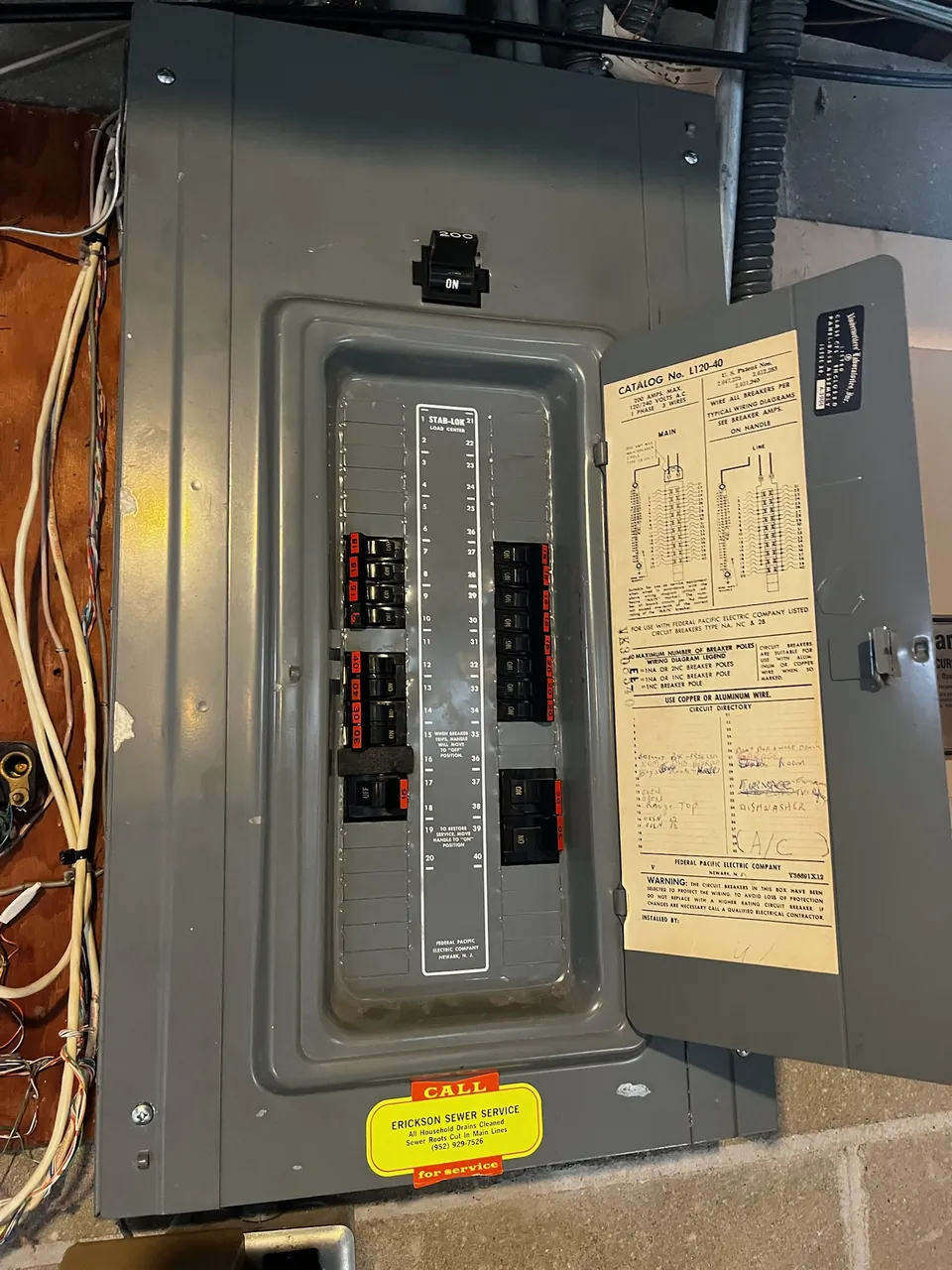
- A house with a Federal Pacific or Zinsco panel: a surge device on a panel that should be replaced is money spent twice. Replace the panel and include the SPD.
- Someone hoping to protect against a direct strike: that is a lightning protection system, a different trade, and we will say so.
- A home with one valuable thing to protect: a single good point-of-use protector at that device may be the better buy.
What you get
- Type 2 SPD wired to its own two-pole breaker
- Rated for the surge energy a monsoon season delivers
- Indicator lights you can check after a storm
- Covers every circuit in the house at once
- Pairs with point-of-use strips for layered protection
- Added to any panel upgrade for very little extra labor
How it goes
- Step 1
Text us a panel photo
We confirm the panel type and whether there is a free two-pole space.
- Step 2
Pick the device
We recommend a rating based on your service and what you have plugged in, and quote it in writing.
- Step 3
Install
Device mounted at the panel, wired to a dedicated breaker on short leads, labeled in the directory.
- Step 4
Walkthrough
We show you the indicator lights and what to look for after a storm.
Questions we get on the phoneStraight answers
Is whole-house surge protection worth it in Prescott?
For most homes, yes. The monsoon brings frequent lightning to northern Arizona from June through September, and one induced surge can cost more in dead appliances than the device does. Homes with variable-speed HVAC, an EV charger, or a lot of smart equipment have the most to lose.
Will a surge protector stop lightning damage?
It stops the surges lightning induces on the power lines, which is how most lightning damage reaches a house. It does not stop a direct strike on the structure; that takes a lightning protection system, a separate trade. A panel SPD plus point-of-use strips covers the realistic risk.
How do I know if my surge protector is still working?
Look at the indicator lights on the device. Green means it is protecting; red or no light means it has absorbed its capacity and needs replacing. Check after any storm that caused an outage. Some devices include an audible alarm or a contact for a smart home hub.
Does the code require a surge protector on a new panel?
The 2020 and 2023 National Electrical Code require a surge protective device when the service equipment for a dwelling is installed or replaced. Yavapai County and Chino Valley are on the 2023 code. We include one on service upgrades and recommend it on every panel replacement.
Related
Where we do this work
Surge Protection across Prescott, Prescott Valley, Chino Valley and Dewey-Humboldt, with Williamson Valley and Paulden by appointment. See the full service area.