By Josh Fuller · September 15, 2026 · Transfer Switches
APS PSPS Shutoffs: What a Transfer Switch Does
In short: A transfer switch is the piece of equipment that lets a generator power part or all of your home without feeding electricity back into the APS lines. APS ran Arizona's first Public Safety Power Shutoff on April 22, 2026, in the Flagstaff area, and it has designated specific subdivisions around Prescott and Prescott Valley for future shutoffs. If your address is one of them, the transfer switch, inlet, and panel work are what make a generator usable, and that panel side is what we install.
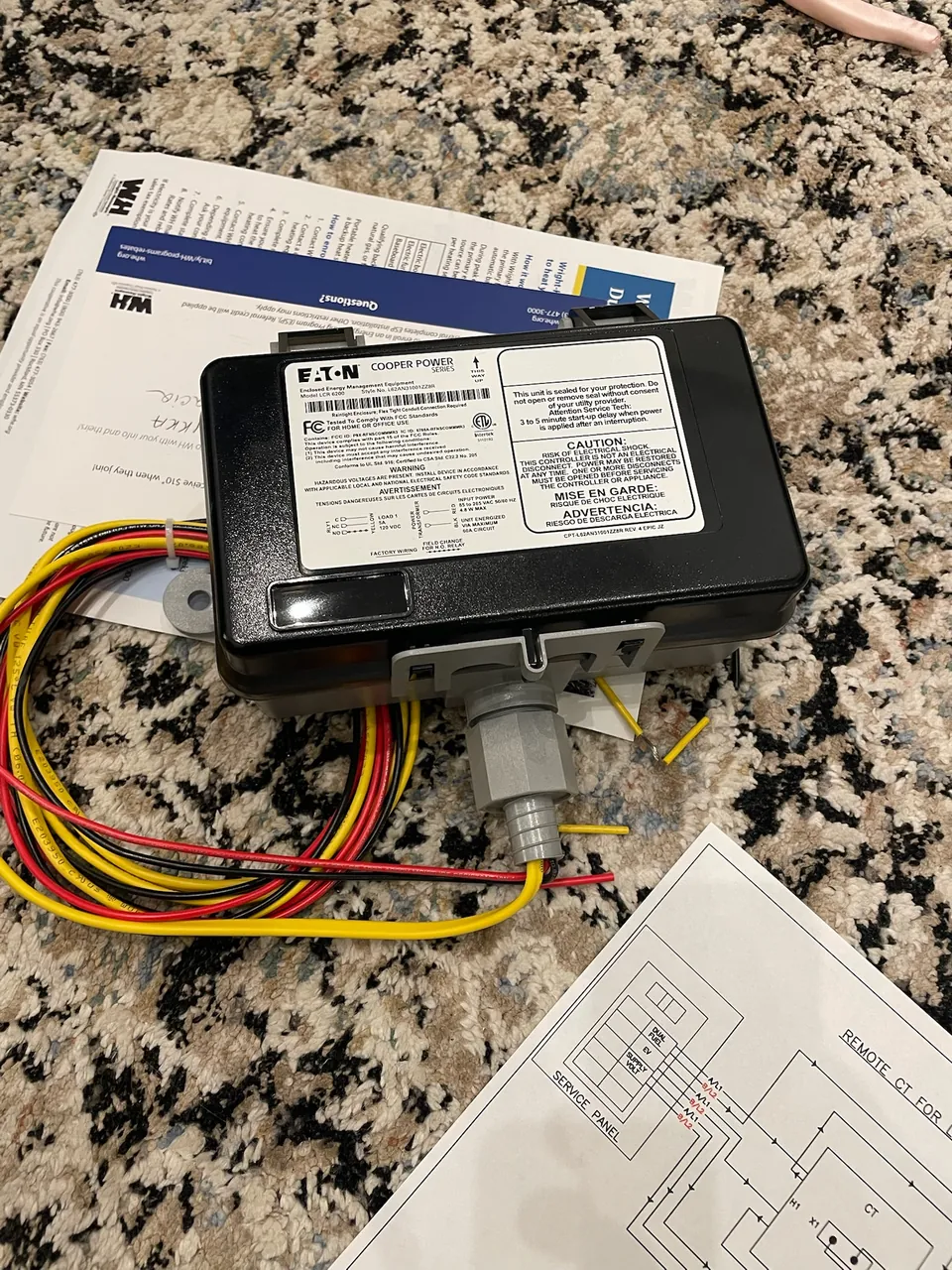
In short: A transfer switch is the piece of equipment that lets a generator power part or all of your home without feeding electricity back into the APS lines. APS ran Arizona’s first Public Safety Power Shutoff on April 22, 2026, in the Flagstaff area, and it has designated specific subdivisions around Prescott and Prescott Valley for future shutoffs. If your address is one of them, the transfer switch, inlet, and panel work are what make a generator usable, and that panel side is what we install.
What a PSPS is, and what happened in April
A Public Safety Power Shutoff is a planned outage. When the fire weather forecast crosses a threshold (high wind, low humidity, dry fuel), the utility de-energizes lines in designated high-risk areas on purpose so a downed or arcing conductor cannot start a fire. Power comes back when the weather passes and crews have patrolled the lines.
APS ran the first one in Arizona on April 22, 2026. About 6,000 customers in the Flagstaff area were shut off, and service was restored the same evening. No Yavapai County community lost power in that event. It was short, but it established that the program is live, and that the trigger is weather rather than equipment failure. A PSPS can be forecast a day or two out, which changes how you prepare for it compared with a storm outage.
Which addresses near Prescott are designated
This is where the details matter, because the designations are by subdivision, not by town.
Prescott proper is not on the APS PSPS list. The designated areas near the city are the forested ones on its edges: Iron Springs, Pine Lakes, Emmanuel Pines, Highland Pines, Dearing Park, Potato Patch, Walker, Groom Creek, and Wolf Creek. Highland Pines and Dearing Park are inside the city limits, and our Prescott service page notes them. The rest are unincorporated Yavapai County.
In the Prescott Valley area, four subdivisions are designated: Coyote Crest, Mingus West, Prescott Ridge, and Yavapai Downs. The rest of Prescott Valley, including StoneRidge, Granville, and The Viewpoint, is not. Chino Valley and Dewey-Humboldt are not on the list, though Poland Junction and Mayer, south of Dewey-Humboldt on AZ-69, are.
Do not rely on the town name. APS has an address lookup at aps.com/psps, and that is the only way to know for sure. If your address comes back designated, the rest of this post applies to you directly. If it does not, a transfer switch still covers monsoon and winter outages, which we get to below.
What a transfer switch actually does
A generator plugged into a house the wrong way is dangerous in two directions. If the generator’s output can reach the service conductors, it energizes the APS lines outside the house. A line crew working on what they believe is a dead line can be hurt or killed by that. And when APS restores power while the generator is still connected, the two sources collide, which destroys the generator and can start a fire in the panel.
A transfer switch makes it physically impossible to be connected to both sources at once. Utility or generator, never both. That is the entire job, and it is why the NEC requires one for any generator connection to house wiring. There are three ways to build it.
Interlock kit and inlet
The simplest version. A generator inlet, usually 30 or 50 amps, is mounted on the exterior wall and wired to a backfeed breaker in the main panel. A mechanical interlock plate on the panel cover blocks that breaker from being switched on unless the main breaker is off. During an outage you shut the main, turn on the backfeed breaker, and the generator feeds the whole panel. You manage the load by turning off breakers you do not need. Interlock kits must be listed for the specific panel, which is one reason we often pair this with a panel replacement: a new panel with a factory interlock is simpler than trying to fit one to a 1980s load center.
Manual transfer switch with selected circuits
A small transfer panel mounts next to the main panel. A set number of circuits, commonly six to ten, are moved from the main panel into the transfer switch. During an outage, you flip each circuit from line to generator. Nothing else in the house can be fed by the generator, which makes it impossible to overload a small portable. This is the cleanest option when the main panel is fine and you only want the essentials covered.
Automatic transfer switch
This is for a permanently installed standby generator. The ATS senses the loss of utility power, signals the generator to start, waits for it to stabilize, and transfers the house or a selected set of circuits. When APS comes back, it transfers back and shuts the generator down. Nobody has to be home. It is the most equipment and the most wiring, and it needs a generator sized for the load it is expected to carry.
Choosing which circuits to cover
For a manual switch or an interlock, the thing to settle before the install is what you actually need when the power is off. Around here the list has a local shape to it.
Many homes in the unincorporated areas around Prescott, and on Chino Valley’s acreage lots, are on private wells. No power means no water, so the well pump, typically a 240 volt circuit, is the first thing on the list. A furnace blower is next: Prescott’s January average low is 24 degrees and the record is 21 below, and a gas furnace does nothing without power to its blower and controls. Then the refrigerator and freezer, a few lights, and the internet router. A window air conditioner or a mini-split during a monsoon-season shutoff is where the load starts to climb.
The size of the generator you own or plan to buy sets the ceiling. A 30 amp inlet carries about 7,200 watts and a 50 amp inlet about 12,000. We wire the inlet and switch to match the generator, and we will tell you plainly if the circuit list you want is more than the generator can run at once.
What we do and what we do not
We do the panel side: the inlet, the interlock or transfer switch, the backfeed breaker, and a generator-ready panel if the existing one is not suitable. If the panel that has to take the interlock is a Federal Pacific or Zinsco, or is out of space, the honest recommendation is to do the panel upgrade first and build the generator connection into the new panel.
We do not sell generators or size them for you. A generator dealer or the manufacturer’s sizing tool does that better than an electrician guessing. Bring us the generator’s output rating and we build the connection to match.
All of this is permitted work. Inside Prescott the permit comes from Community Development at 201 N Montezuma St. In Prescott Valley it is Development Services at 7501 E Skoog Blvd, where inspections are requested up to five days ahead with a 6:30 a.m. same-day cutoff. Our generator transfer switch page covers the options and the process, and the Prescott Valley service page lists the designated subdivisions there.
The other outages: monsoon and winter
Even off the PSPS list, the Quad Cities lose power. The monsoon runs June 15 to September 30, and northern Arizona sees frequent lightning through it. Arizona averages about 6 million strikes a year, mostly in those three months, and a strike on a line or a pole knocks out a neighborhood for hours. Winter storms at 5,000 feet do the same with ice and wind. A transfer switch installed for PSPS covers all of it. The one thing it does not do is protect your electronics from the surge that comes with the lightning. That is a separate device at the panel and a separate conversation.
If you want to know what your panel can take, text us photos of the open panel and the meter, tell us the generator you have or plan to buy, and we will send back a written estimate for the inlet and switch.
Want us to look at your panel?
Text photos of the open panel and the meter. Written quote within one business day, permit included.
Related questionsStraight answers
Is Prescott on the APS PSPS list?
Prescott proper is not. APS designates specific areas, not whole towns, and near Prescott those are Iron Springs, Pine Lakes, Emmanuel Pines, Highland Pines, Dearing Park, Potato Patch, Walker, Groom Creek, and Wolf Creek. Highland Pines and Dearing Park are inside the city limits. Check your exact address at aps.com/psps rather than going by the town name.
Is Prescott Valley on the PSPS list?
Only four subdivisions in the Prescott Valley area are designated: Coyote Crest, Mingus West, Prescott Ridge, and Yavapai Downs. The rest of the town, including StoneRidge, Granville, and The Viewpoint, is not. Chino Valley and Dewey-Humboldt are not designated either, though Poland Junction and Mayer to the south are. Verify your address at aps.com/psps.
Can I plug a generator into a dryer outlet instead of installing a transfer switch?
No. That is a backfeed, and it energizes the APS lines outside your house while a line crew may be working on them. It also destroys the generator when utility power returns. A transfer switch or a listed interlock kit is required by code for any generator connected to house wiring, and the work is permitted and inspected.
Do you sell or install generators?
We install the panel side only: the generator inlet, the interlock kit or manual transfer switch, the backfeed breaker, and a generator-ready panel, plus the wiring for an automatic transfer switch on a standby unit. We do not sell generators or size them. Bring us the generator's rating and we build the connection to match.